
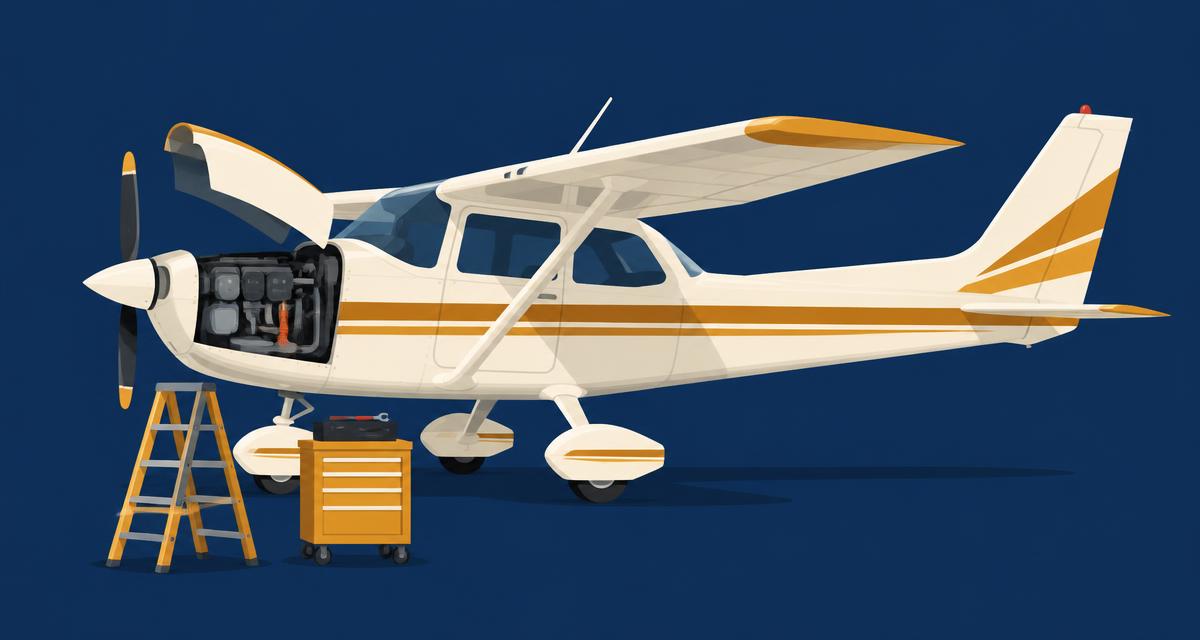
An annual inspection is a complete examination of the aircraft — airframe, engine, propeller, systems and records — followed by a signed return to service. It is the main way a general-aviation airplane stays in compliance between major overhauls, and it is also the moment most squawks get found.
When it is due
Under U.S. FAA rules, an aircraft used under part 91 must have been inspected within the preceding 12 calendar months. The interval is counted by calendar month, not by day: an inspection signed off on 14 October 2025 keeps the aircraft current through 31 October 2026.
- Aircraft used for hire (flight training, rental, aerial work) also need a 100-hour inspection; the 100-hour may be exceeded by up to 10 hours only to fly the aircraft to a place where the inspection can be done.
- The 12-month annual does not cover items with their own intervals: ELT battery and inspection, transponder check and altimeter/pitot-static checks each have separate clocks.
- Airworthiness directives and life-limited components (engine, propeller, gears) run on their own hours and calendar, independent of the annual.
Who can do it
- A mechanic holding both an airframe and powerplant rating and an Inspection Authorization (IA).
- A certificated repair station or the aircraft manufacturer working under its own approval.
- A 100-hour inspection can be performed by a mechanic with airframe and powerplant ratings, without an IA.
What the inspection covers
- Airframe and structure: fabric or paint condition, corrosion, landing gear, tires and brakes, fuel system and leaks, control surfaces and rigging.
- Engine: compression check, oil and filter, mounts and lines, exhaust, accessory case, induction and any metal in the filter.
- Propeller: blade condition, nicks and repairs, hub and governor, tracking and balance.
- Avionics and electrical: battery and charging, wiring and bonding, static wicks, antennas, transponder and ELT.
- Records: current airworthiness certificates and registration, weight and balance, AD compliance history, and the last inspection entries.
How to prepare
- 1Pull the logbooks together a week early and check them yourself: missing entries, a signature that is hard to read, an AD you cannot find compliance for.
- 2Write down every squawk you already know about — a rough stall, a sticky brake, an intermittent radio, a slow needle. Findings discovered on the lift cost more time than findings you announced in advance.
- 3Book the shop well ahead and ask for a realistic window, not a single day.
- 4Pre-order parts you already expect: tires, filters, a gasket set, a known worn hose.
- 5Plan for downtime. Most owners budget one to three weeks, because the last 20% is usually the punch list.
- 6Stay reachable during the inspection so the shop can ask before they spend.
When it is done
- The logbook gets an entry describing the work, the date, the aircraft total time and the signature with certificate number of the person who approved the aircraft for return to service.
- You get the return-to-service entry and, for an annual, the record of what was inspected.
- Update your own calendar: the next annual, the next ELT and transponder checks, and the next hour-based item.
- Keep the invoices and photos with the maintenance event, not in a separate folder.
Frequently asked questions
Can I fly while the annual is open?
No. Once the annual inspection has started and the aircraft has been taken out of service, it does not fly again until a person with the proper authority signs the return to service. Plan travel and trips around the window.
What if my annual lapses?
The aircraft is not legal to fly until the inspection is completed and signed off. There is no grace period for the 12-month annual. Do the inspection, then update your due items.
Does a progressive inspection replace the annual?
It can, but only if you run an FAA-approved phased inspection program and stay inside its rules. Otherwise the annual or 100-hour still applies.
Should I be there during the inspection?
At least be reachable. Being on site helps when the mechanic wants to show you a finding, but it is not required for the inspection to be valid.
More guides
Keep every due date in one place
Volamus tracks inspections, documents, discrepancies and costs for each aircraft and reminds you before anything lapses.